
English-Speaking Psychologist in Puerto Vallarta
Psych. Karen Weber, clinical psychologist
I'm Karen Weber, a clinical psychologist with an office in Fluvial Vallarta, Puerto Vallarta. I work with adults and couples in English and Spanish, in person or by video call. B.A. in Clinical Psychology (CETYS Universidad), Master's in Human Development (Universidad Iberoamericana), and a member of the American Psychological Association.
- Humanistic approach
- 50-minute sessions
- Office in Fluvial Vallarta
Taking the first step toward therapy is an act of courage and self-love.
Therapy services in Puerto Vallarta
Adult therapy
Anxiety, grief, a hard stretch, or physical symptoms with no medical cause. 50-minute sessions, in person or by video call.
Learn more →Couples therapy
Both partners attend. The same argument on repeat, the strain of relocating together, or the sense of having drifted into being roommates.
Learn more →Team building for companies
Workshops on communication, stress management and conflict resolution for work teams in Puerto Vallarta.
Learn more →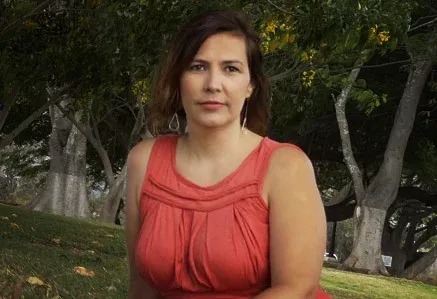
Are you looking for an English-speaking psychologist in Puerto Vallarta?
I work in English and Spanish, and most of the people I see are foreigners who have built a life here. Sessions run in whichever language the thing you need to say comes out in — plenty of people switch between the two within the same hour, and that's fine.
I've lived in Puerto Vallarta since 2010, and what comes after the move is familiar to me: the second-year dip, when the novelty runs out and ordinary life starts; the distance from family; the friendships that turn over every season. It's context you won't have to explain from scratch.
Psych. Karen Weber — Clinical psychologist, M.A. in Human Development
About Psych. Karen Weber →How the therapeutic process works
01 · Collaboration
Psychotherapy rests on the relationship between you and the psychologist: an open, trusting conversation where you can speak freely with someone professional, objective and neutral.
02 · Method
A humanistic philosophy with evidence-backed techniques — cognitive behavioral therapy, Gestalt, person-centered and systemic family therapy — adapted to each person and each situation.
03 · Purpose
To resolve what brought you in and, beyond that, to know yourself better and gain skills for meeting whatever comes next without losing your balance.

Online therapy, from wherever you are
50-minute sessions by video call, the same as in the office, in English or Spanish. It matters here: your process doesn't have to stop when you go north for the summer.
Frequently asked questions about the therapeutic process
Have another question? Message me on WhatsApp — I answer personally.
Chat on WhatsApp →What is the goal of psychological therapy?
By the end of the process you will not only have addressed the difficulty that brought you in — you will also understand yourself better. You take away skills for handling what comes next, and a way of finding your balance whenever a situation or an emotion pulls you off center.
How long does the therapy process last?
It depends on your goals and on what you bring. Some people find relief in a few sessions; others prefer to go deeper and continue long term. The length is set by what benefits you.
Is what we talk about in therapy confidential?
Yes. Everything you share in therapy is confidential. Psychologists are bound by professional ethics to respect your privacy, except in specific cases such as a risk of harm to yourself or to others.
What happens in a therapy session?
The session is a space to say what you think and feel without being judged. I listen, I ask questions, and I help you explore what you are up against, so that you find perspectives and options you cannot see from inside it.
How often should I attend sessions?
Usually once a week, especially at the start, to build a rhythm and make steady progress. The frequency can be adjusted later around your availability and how things are going.
How do I know if therapy is working?
You notice it in how you meet and manage your emotions and difficult situations. Progress tends to be gradual, but over time you should feel greater wellbeing, more clarity, and more confidence in your ability to handle everyday demands.
Articles and resources
· Expat Life in Puerto Vallarta
How to Handle Culture Shock in Mexico
Culture shock Mexico affects many expats in Puerto Vallarta. Learn the emotional stages and how therapy can help you adapt.
Read the article →
· Expat Life in Puerto Vallarta
How to Find a Therapist in Puerto Vallarta as an Expat
A practical guide to finding a trusted psychologist in Puerto Vallarta if you’re a foreigner or expat living in Mexico.
Read the article → Message me and we'll set up a time
+52 322 200 3903I answer personally, between sessions. There is no assistant and no automated booking system, so we agree on a time between the two of us. If you would rather write at length, the form is on the contact page.